
NCERT Ebook – Ecosystem
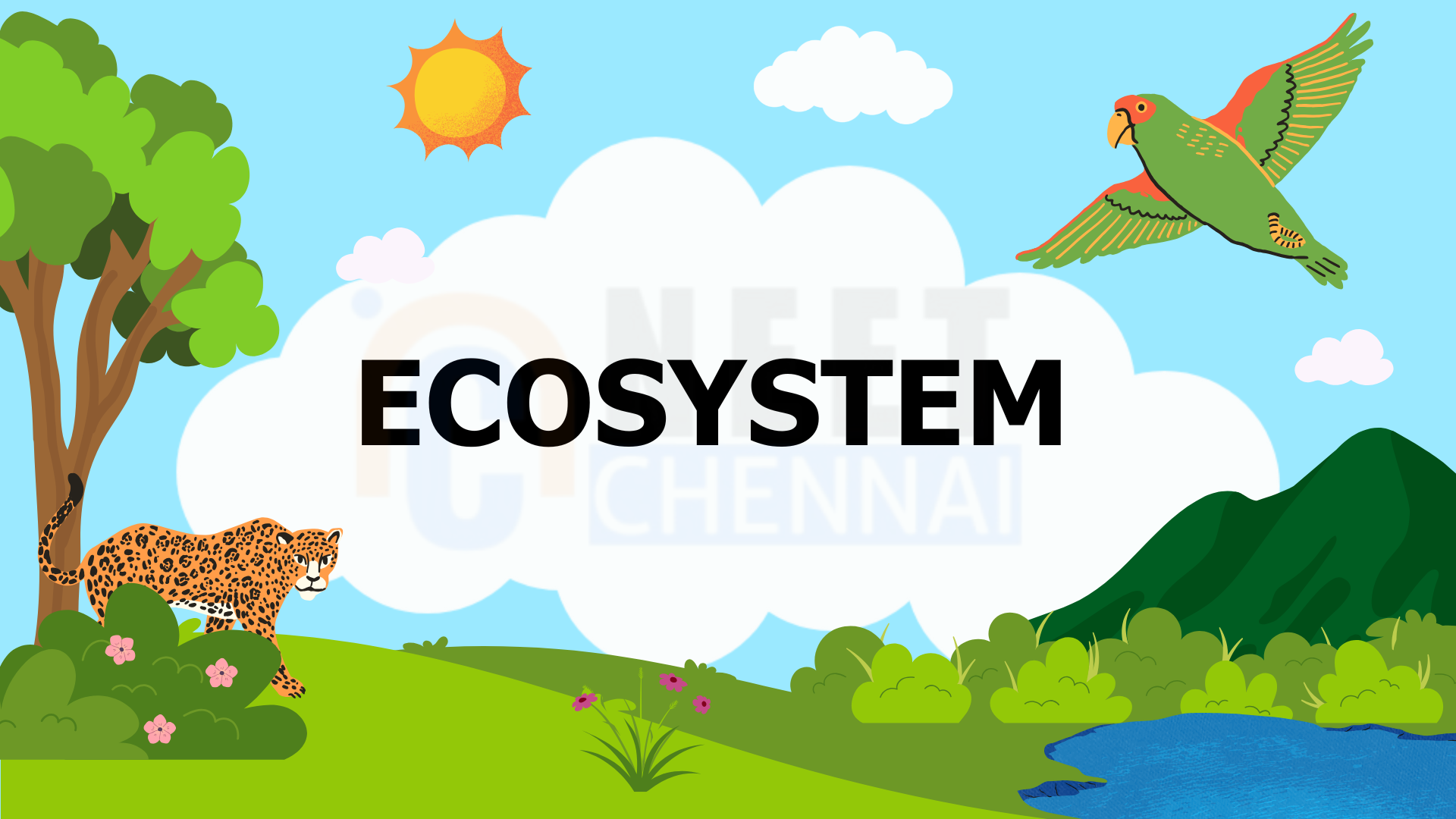
Ecosystem–Structure and Function Productivity Decomposition Energy Flow Ecological Pyramids Ecological Succession Nutrient Cycling Ecosystem Services Chapter 14 Ecosystem 14.1 Ecosystem–Structure and Function 14.2 Productivity 14.3 Decomposition 14.4 Energy Flow 14.5 Ecological Pyramids 14.6 Ecological Succession 14.7 Nutrient Cycling 14.8 Ecosystem Services An ecosystem can be visualised as a functional unit of nature, where living organisms interact among themselves and also with the surrounding physical environment. Ecosystem varies greatly in size from a small pond to a large forest or a sea. Many ecologists regard the entire biosphere as a global ecosystem, as a composite of all local ecosystems on Earth. Since this system is too much big and complex to be studied at one time, it is convenient to divide it into two basic categories, namely the terrestrial and the aquatic. Forest, grassland and desert are some examples of terrestrial ecosystems; pond, lake, wetland, river and estuary are some examples of aquatic ecosystems. Crop fields and an aquarium may also be considered as man-made ecosystems. We will…
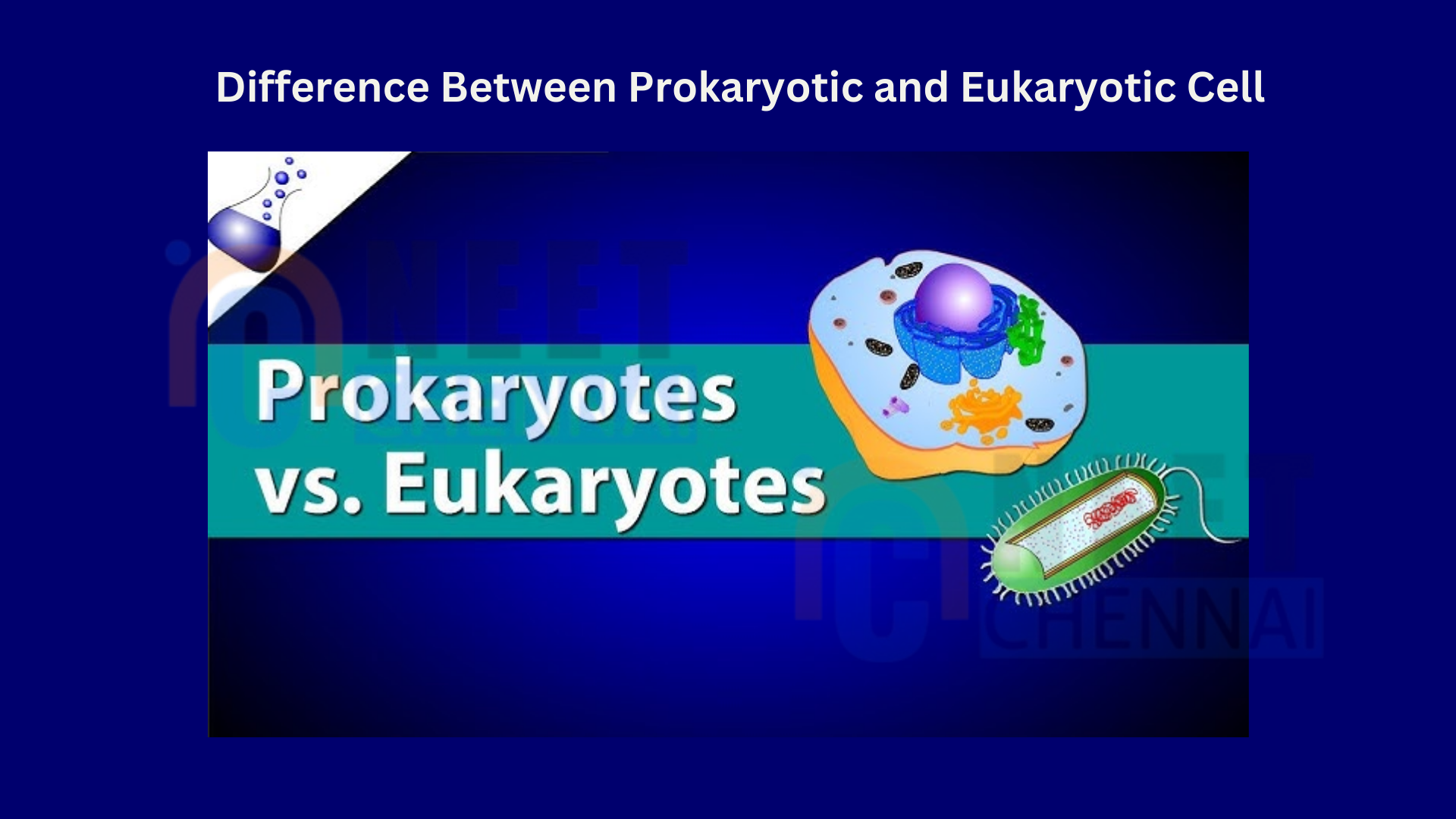
Difference Between Prokaryotic and Eukaryotic DNA
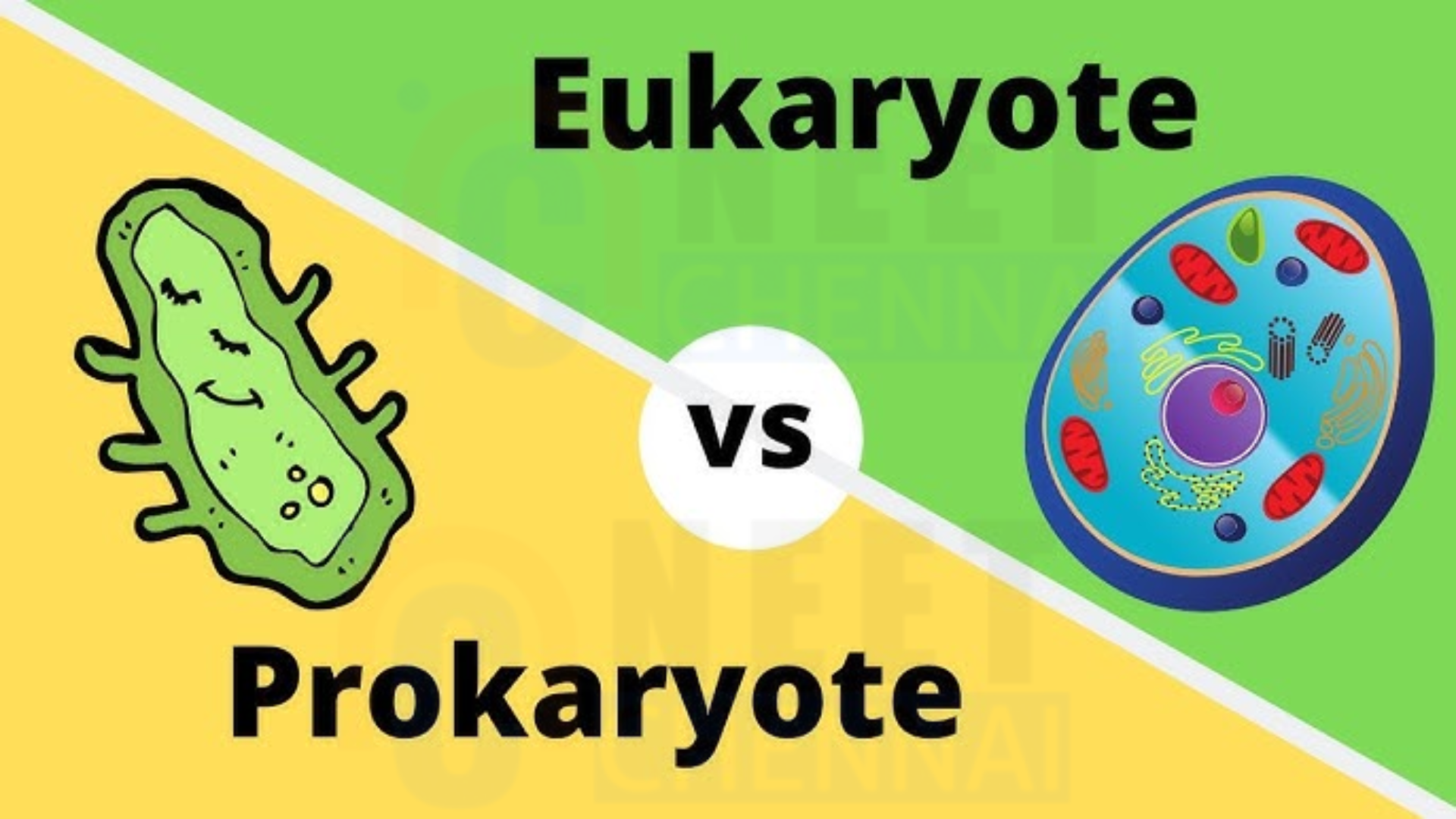
Explaining Prokaryotic and Eukaryotic DNA Difference DNA, or deoxyribonucleic acid, is a crucial molecule that carries hereditary information in all living beings. Although the fundamental structure of DNA remains consistent…